

Weekend getaways sound simple until the school calendar, sports practice, sold-out festival tickets, and unpredictable weather all collide.
How do you fit a meaningful family trip into two or three days without returning more tired than when you left?
Federal Highway Administration data show that social and recreational travel accounts for 39% of weekend trips in the United States.
This guide explains how to match school breaks with seasonal events, choose realistic destinations, control costs, and build backup plans that keep short trips enjoyable.
Table of Contents
Here’s What’s Inside

- Source: today.rtl.lu
Good family weekend trip planning starts before anyone searches for hotels. First, identify weekends that offer genuine breathing room, including teacher workdays, long holiday weekends, early-release Fridays, and breaks that differ between siblings’ schools.
Then compare those dates with events worth traveling for, such as harvest festivals, winter light displays, spring flower weekends, sporting events, or limited museum programs.
You will also learn how to:
- Create one shared planning calendar
- Compare destinations using time, cost, and effort
- Reserve the hardest-to-replace part first
- Prepare a weather-friendly backup plan
The goal is not to schedule every free weekend. It is to identify a few strong opportunities, protect some unscheduled family time, and make each chosen getaway easier to enjoy without unnecessary rushing.
Build a School-Break Map Before Choosing a Destination

- Source: mother.ly
Start with the official school calendar, not a travel deal. Mark breaks, public holidays, teacher-development days, exams, and weekends beside major school projects.
Add sports, birthdays, family commitments, and work deadlines to show your real availability.
A visual calendar makes overlaps easier to spot. Families can use a calendar maker from Adobe Express to set yourself apart by creating a personalized layout with colors for school dates, trip ideas, and booking deadlines. Adobe Express supports customizable calendars for different skill levels, and the finished version can be printed or shared digitally.
Choose only two or three priority weekends per season. Leaving space reduces pressure when plans change and prevents every school break from becoming another obligation.
Match the Trip to the Seasonal Window
Seasonal events give a short trip purpose, but their dates should guide the destination rather than control the weekend.
Check official event pages, tourism offices, park websites, and venue calendars. Confirm opening dates, session times, age restrictions, parking arrangements, and whether activities continue in poor weather.
Then ask what the family would still enjoy if the main event lasted only two hours. A fall festival works better when paired with an easy trail, local market, or indoor attraction.
A winter light display becomes more worthwhile when the town also offers skating, museums, or a walkable center.
Here’s the thing: a seasonal event should anchor the trip, not carry it. Build one main experience and one flexible supporting activity, then leave room for meals, rest, and spontaneous stops.
Use a Weekend Trip Scorecard
- Source: kneadtoroam.com
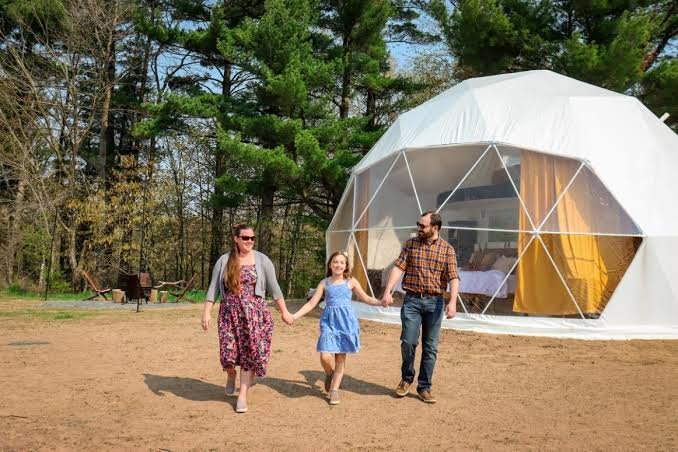
A beautiful destination is not automatically a good weekend destination. Score each option before booking so excitement does not hide an exhausting drive, expensive parking, or an itinerary that depends on perfect weather.
| Date | Event | Why It Matters |
|---|---|---|
| August 21, 2026 | Premier League begins | First major European league weekend |
| August 27, 2026 | Champions League league-phase draw | Opponents and travel plans become clear |
| September 9, 2026 | NFL season kickoff | Start of the regular-season race |
| September 29, 2026 | NHL opening night | First night of the expanded 84-game season |
| December 18-19, 2026 | CFP first round | Campus playoff games begin |
| February 14, 2027 | Super Bowl LXI | NFL championship in Los Angeles |
| June 5, 2027 | Champions League final | European club football’s biggest final |
Reserve the Hardest-to-Replace Item First
Do not automatically book the hotel first. Reserve whichever part has the least flexibility, whether that is a festival ticket, timed museum entry, scenic train, campground, ferry, or popular restaurant.
The National Park Service advises visitors to check whether reservations, timed entry, or tour bookings are required because access rules vary by site.
For flights, early planning matters around school holidays. The U.S. Department of Transportation notes that flights during holiday periods may sell out months ahead, although traveling on the holiday itself can sometimes leave more options.
After securing the anchor reservation, choose lodging with a reasonable cancellation policy. Then book transportation and optional extras that can be changed without collapsing the trip.
Plan the Real Door-to-Door Schedule

- Source: health.clevelandclinic.org
Families often calculate driving time but forget packing, fuel stops, traffic, parking, bathroom breaks, check-in, and the walk from the car to the attraction. Add those minutes before deciding whether a destination fits the weekend.
For a two-night trip, protect Friday evening from unnecessary complexity. Pack most items on Thursday, prepare easy food for the road, and avoid scheduling a major attraction immediately after arrival.
If your pet joins the trip, add 15–20 extra minutes to your driving estimate for bathroom and stretching breaks – and never skip a chance to call ahead about pet relief areas near your rest stops.
A useful rule is to plan around children’s least flexible needs. A toddler’s nap, a teenager’s game, or a child who becomes overwhelmed by crowds can shape the schedule more than the event timetable. Realistic pacing creates better memories than squeezing every attraction into forty-eight hours.
Create a Weather-Proof Version of the Trip
Seasonal travel comes with uncertainty. Spring rain, summer heat, autumn wind, and winter road conditions can affect comfort and safety, so create a Plan B before leaving.
The National Weather Service recommends checking forecasts before outdoor activities and having a safety plan when thunderstorms are possible.
Important planning fact: A backup plan should replace the experience, not merely fill time.
If a hike is canceled, switch to an indoor climbing center, science museum, aquarium, craft workshop, or historic site instead of sitting in the hotel.
Check cancellation policies, indoor capacity, and driving distances in advance. Pack season-specific essentials without overpacking. One compact kit with layers, rain protection, water, sunscreen, and basic medicine is usually more useful than several “just in case” bags.
Let Children Help Shape the Weekend
- Source: thedyrt.com
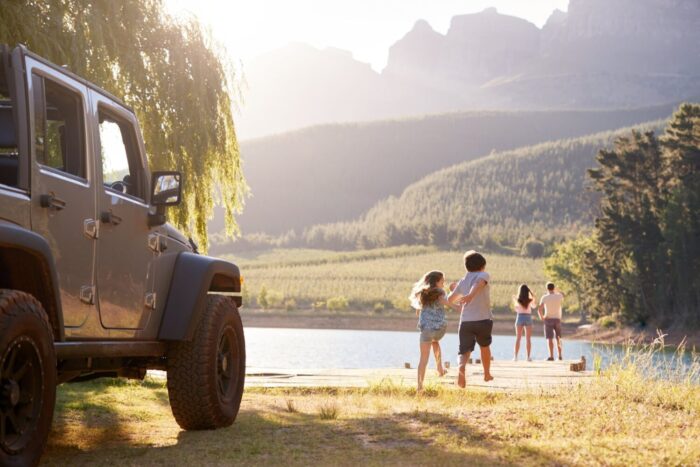
Children are more cooperative when they understand the plan and have a small role in creating it. Give each child a limited choice, such as selecting one snack stop, choosing between two activities, or picking the family playlist. Avoid open-ended questions like “Where should we go?” because unlimited options can slow the process.
A 2010 study by Nawijn, Marchand, Veenhoven, and Vingerhoets, published in Applied Research in Quality of Life, examined happiness before and after vacations among 1,530 Dutch participants. It found that vacationers showed slightly higher pre-trip happiness than non-vacationers, possibly because of anticipation.
Use that anticipation positively. Mark a countdown, preview the destination together, and let children pack one personal activity for quiet moments.
Frequently Asked Questions
1. How far should a family drive for a two-night trip?
For many families, two to three hours each way is comfortable. Longer drives work better when Friday departure is early or Monday is free.
2. Should children miss school for cheaper travel?
Check attendance rules, academic demands, and the child’s needs first. Savings may not justify missed lessons, tests, or added stress.
3. What if siblings have different school calendars?
Look for overlapping teacher days, public holidays, and shorter local options. Keep one flexible date available for last-minute changes.
4. What belongs in a permanent weekend-trip bag?
Store chargers, toiletries, basic medicine, reusable bottles, wipes, and simple games together. Replace used items after returning, and check clothing sizes and comfort as children grow.
Turn Open Weekends Into Trips You Can Actually Enjoy
Successful family weekend trips are not built around doing the most. They work because the calendar, destination, budget, and energy level fit together.
Start by marking school breaks and seasonal opportunities, then choose one weekend and one main experience. Confirm access rules, reserve the least flexible item, and prepare a realistic backup for weather or closures.
The good news? You do not need a complicated travel system. A shared calendar and a simple destination scorecard are enough to begin.
Plan one manageable getaway, learn what worked for your family, and use that experience to make the next weekend trip even smoother.
